
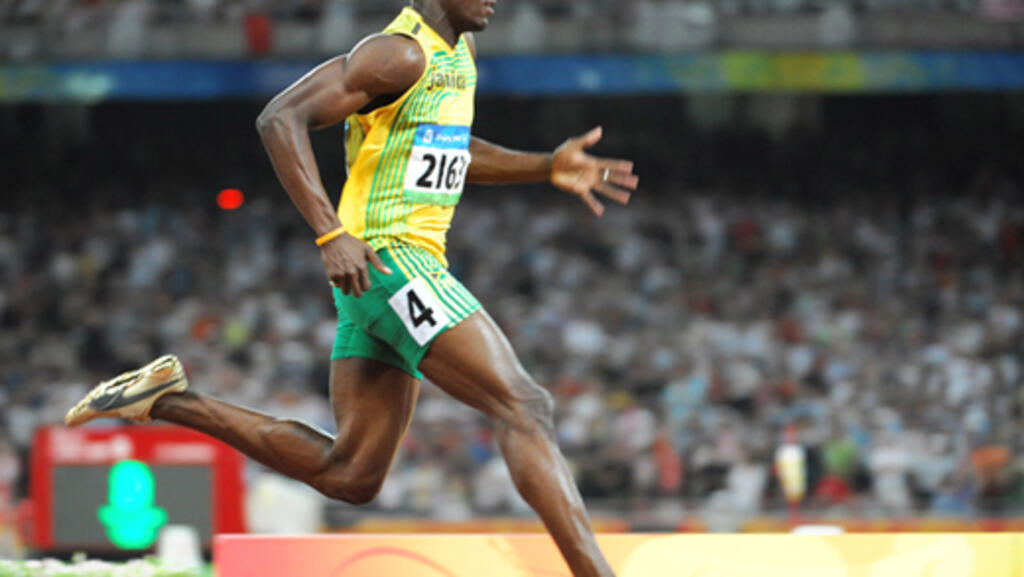
Almost everything you do, at work, at home, on the track, on the field, reduces to four patterns: standing, walking, running, and throwing. Functional Patterns calls these the four pillars of human movement. If these are well-organised, your day has less friction. If they're compensated, friction shows up as tight hips, a sore lower back, a dodgy shoulder, or a knee that "just flares up sometimes."
The short version: we don't chase symptoms. We rebuild the patterns. Below is why each one matters, and how the precise strength training we do in-studio is designed to restore the exact positions your body needs to perform them cleanly.
Standing
Standing is the foundation. Before you can walk, run, or throw anything with integrity, you need to be able to stack your ribcage over your pelvis and hold it there without bracing, gripping, or leaning into a hip. Most adults can't, they stand with a forward head, a flared ribcage, and a tilted pelvis, and they have no idea because it feels normal.
Poor standing posture is a load problem. Gravity is relentless, and if your skeleton isn't stacked, your soft tissue picks up the bill. That's the low back that "just aches," the neck tension that won't release, the calves that cramp.
The early work is isolated and unglamorous, specific Myofascial Release to unwind the tissue holding you out of alignment, then targeted strength drills that teach you to feel a stacked position before you're asked to hold it under load.
Walking
Walking is standing in motion. It's the pattern you repeat thousands of times a day, which means every small compensation gets multiplied. An over-rotated pelvis, a stiff thoracic spine, or a foot that can't push off cleanly will quietly drill themselves deeper into your nervous system with every step.
Gait is where most chronic pain actually lives. If your walking pattern is off, no amount of stretching or foam rolling will stick, you'll rebuild the compensation on your next walk to the kitchen.
We assess gait on video, break it down frame by frame, and then use contralateral loading, rotational core work, and single-leg stability drills to rebuild the timing and positions of a clean stride.
Running
Running is walking with a flight phase. It amplifies every error. If your walk has a subtle lean, your run has a loud one, and the ground forces you're handling are three to four times bodyweight on every stride, which is why runners break down so predictably.
Most running injuries aren't running injuries, they're standing and walking problems that finally got exposed when the forces went up. Fixing running means fixing the pattern it sits on top of.
We train the stance phase, how you absorb and redirect force on a single leg, with precise, tension-driven strength work. Hip extension, thoracic rotation, and the timing between the two.
Throwing
Throwing is the upper-body expression of the same rotational pattern that drives walking and running. You might never pick up a ball, but reaching into the back seat, swinging a kettlebell, or even brushing your hair all rely on the same underlying mechanic.
Shoulders, necks, and upper backs almost always break down because the thoracic spine can't rotate and the ribcage can't stabilise against it. That's a throwing-pattern problem, whether or not you ever throw anything.
Rotational cable work, banded drills, and positional holds that teach the thoracic spine to rotate while the pelvis stays quiet, the exact opposite of what most gym training reinforces.
Generic training makes you strong in the wrong positions.
The common thread across all four patterns is precision. Generic strength training doesn't fix any of this, it usually makes it worse, because you get stronger in the compensated positions you're already living in. What we do in-studio is the opposite: we identify the exact positions your body has lost, and we build strength inside those positions so they become your new default.
Less friction through your day isn't a vague promise. It's what happens when your standing, walking, running, and throwing stop costing you energy and start producing it.